360 resources

The Best Teacher I Ever Had Made Me Cry
I was a doctoral student at Harvard, working on my dissertation, and like most graduate students, I became obsessed with my advisor's edits.

The Founding Fathers Were Some of Our Best Teachers
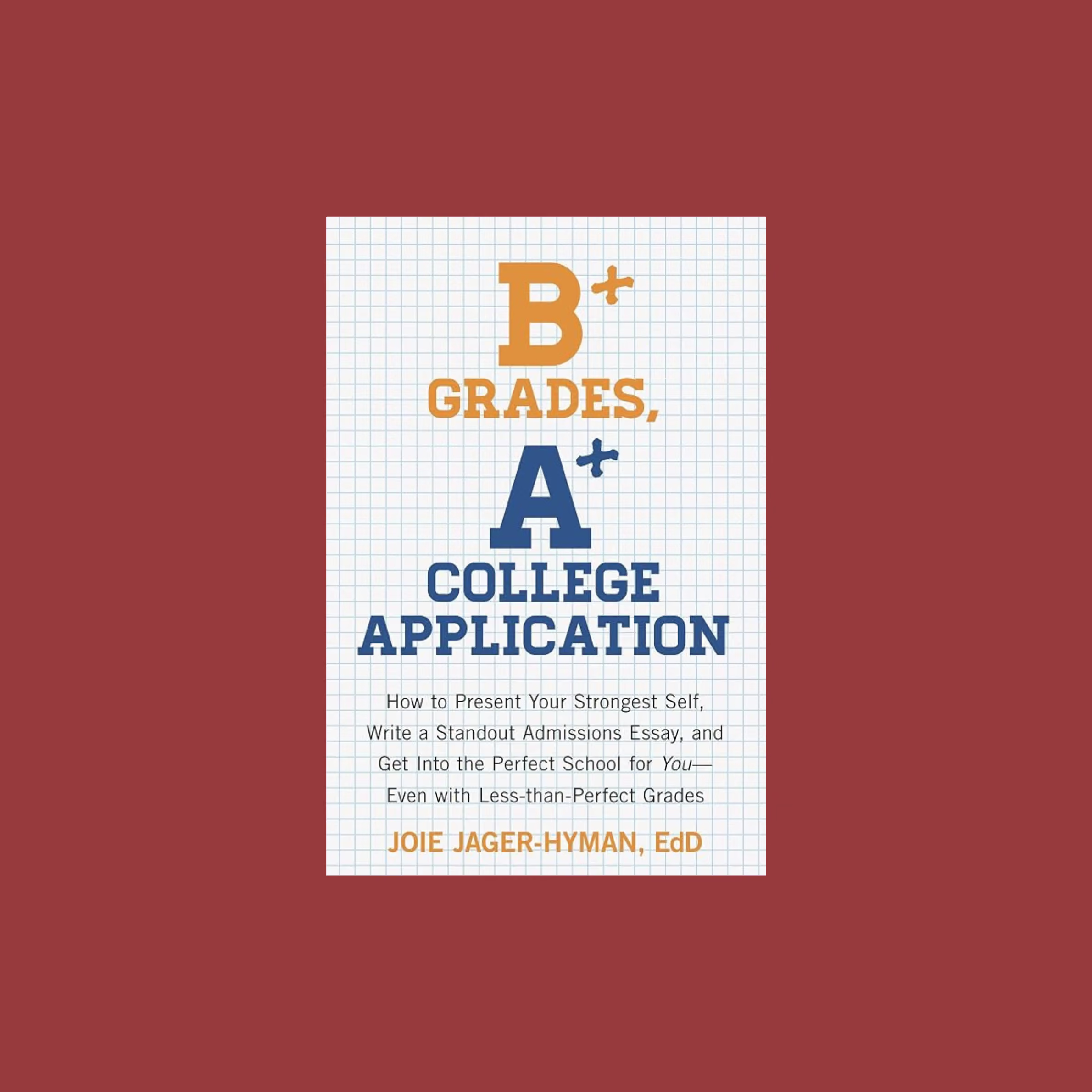
B+ Grades, A+ College Application
(Penguin Random House)
How to Present Your Strongest Self, Write a Standout Admissions Essay, and Get Into the Perfect School for You—Even with Less-than-Perfect Grades
Grades don’t tell the whole story. This practical insider’s guide helps families find colleges that fit, strengthen applications, and show admissions officers why students are more than a GPA.
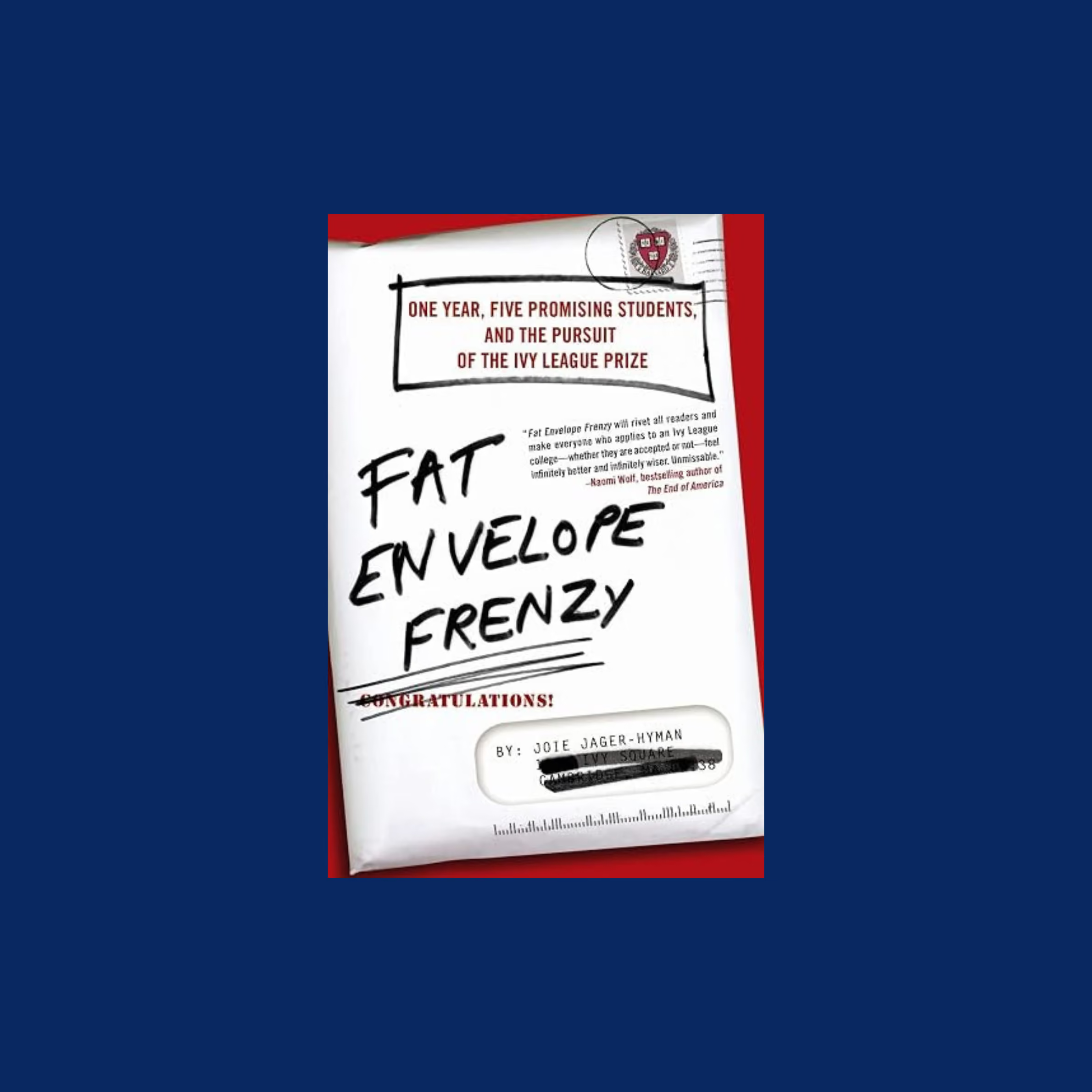
Fat Envelope Frenzy
(HarperCollins)
One Year, Five Promising Students, and the Pursuit of the Ivy League Prize
Follow five students from diverse backgrounds as they pursue admission to Harvard—and explore how ambition, race, class, and opportunity shape the college admissions process.
A Different Way to Think About the College Admissions Years
Joie and I had so much fun talking about navigating anxiety and college admissions in our webinar, and one idea kept resonating, so I wanted to add more to it in this newsletter: How can working with the drivers of adolescence make everything in our houses smoother?
Elite Colleges Have Found a New Virtue for Applicants to Fake
The spring before I applied to college, the guidance counselors at my private school herded our mostly white grade into the gym and told us that the Supreme Court was about to ban affirmative action.
Finding Community
Jewish students at Dartmouth have come a long way since the days when officials tried to limit their numbers.

Students Take Advantage of Artificial Intelligence While Studying for SAT
Several colleges are back to requiring SAT scores for their applications. NBC News’ Christine Romans reports on the growing use of artificial intelligence in studying for standardized testing.
Hey, ChatGPT: Where Should I Go to College?
High schoolers are turning to chatbots for help navigating the college admissions process. Does a virtual college coach know what’s best for students?

College Application Essays Don't Matter as Much as You Think
Parents: sit down before you read this. Kids: deep breaths. You know that beautifully crafted, deeply felt, highly unusual college application essay you’ve been polishing? It might not make a difference for your college admission chances.
Turning a High School Internship Into a College Essay
If high school seniors haven’t started thinking about their college essays, it’s time.
The Best Teacher I Ever Had Made Me Cry
I was a doctoral student at Harvard, working on my dissertation, and like most graduate students, I became obsessed with my advisor's edits.
The Founding Fathers Were Some of Our Best Teachers
Long before I started College Prep 360, I was a Teaching Fellow at Harvard for a course on the history of American higher education. As we celebrated our nation's 250th birthday this month, I found myself thinking about those lessons again.

I Gave Myself My Own Assignment
A few weeks ago, Dartmouth Alumni Magazine published a great piece about the Dartmouth Jewish Alumni Group, an organization I co-founded after realizing Dartmouth was the only Ivy without one.

The Last Summer Before College
A couple came to a coaching call a few weeks ago with all the feelings. Their kid leaves for college next fall and they feel very aware that this is the last full summer with him home. They had quietly built a whole architecture around it: a big trip, dinners, conversations they’d been saving.
What the Knicks Taught Me About College Admissions
Last week, I got to watch the Knicks championship parade on TV. Like so many New Yorkers, I was smiling before I even realized it.
The Power of Repair
A piece from the Stanford Social Innovation Review has been landing in my inbox a lot lately. Maybe you’ve seen it too. It argues that relational intelligence, the capacity to build trust, navigate tension, and repair ruptures with other people, is becoming the defining human skill of the AI age. The article is worth reading; however, like every other article coming out about the age of AI, there are two things that irritate me to no end.
Your Teen Lied to You. Now What?
My daughter lied to me about where she was Saturday night!! I have eight months left with her, and I don't know whether to come down hard or let it go. This was an email I got from a client at 6 a.m. on Monday, after she had heard from another parent about what her kid was really up to over the weekend.
Helping Your Child Handle Stress
A former client called me up a few months ago in a panic. Her youngest had spent freshman and sophomore year carefully engineering her academic life to avoid risk. Her daughter only took classes she knew she could ace. No reach courses, nothing that might dent the GPA.
The Only Metric That Matters
Every spring, I am reminded of the only number that truly matters.
Taking Your Kids Seriously
I am Megan Saxelby, M.Ed. I am so thrilled to be starting this newsletter for you all! I have long admired the work of College Prep 360 and feel honored to be collaborating.
When High School Parenting Gets Complicated
A few years ago, I sat in a meeting with a student and her parents that I will not forget.
ChatGPT Told My Son He's Getting Into an Ivy Based on His 9th Grade Grades
A few weeks ago, I came downstairs for dinner and my son looked up from his phone.
Dealing with Feeling: What College Admissions Taught Me About Emotions (and Vice Versa)
A few weeks ago, I stood at a book party in New York for my longtime friend and teacher, Dr. Marc Brackett. Marc, as many of you know, is the prominent professor and psychologist who founded the Yale Center for Emotional Intelligence.
Stepping Outside Comfort Zones: What a Podcast Taught Me About Purpose
A few weeks ago, I had the incredible (and slightly intimidating) privilege of being a guest on Dr. Robin Stern’s podcast.
Yes, That Character on “And Just Like That…” Was (Sort Of) Me
So, there I was, catching up on the “Sex and the City” reboot, “And Just Like That…,” expecting some light summer escapism, when suddenly—there I am. Sort of.
The Civility Test, Summer Reading Edition: What Barry Diller Taught Me About Growth
One of the books I read this summer was Barry Diller’s memoir, Who Knew. I picked it up expecting some good old Hollywood stories, some hot gossip about the glamorous Studio 54 days, and insight into how he had the vision to know QVC would be a hit.
Whether your child is just beginning to explore their interests or preparing to submit applications, we're here to help them discover what they're capable of.